FOR IMMEDIATE RELEASE
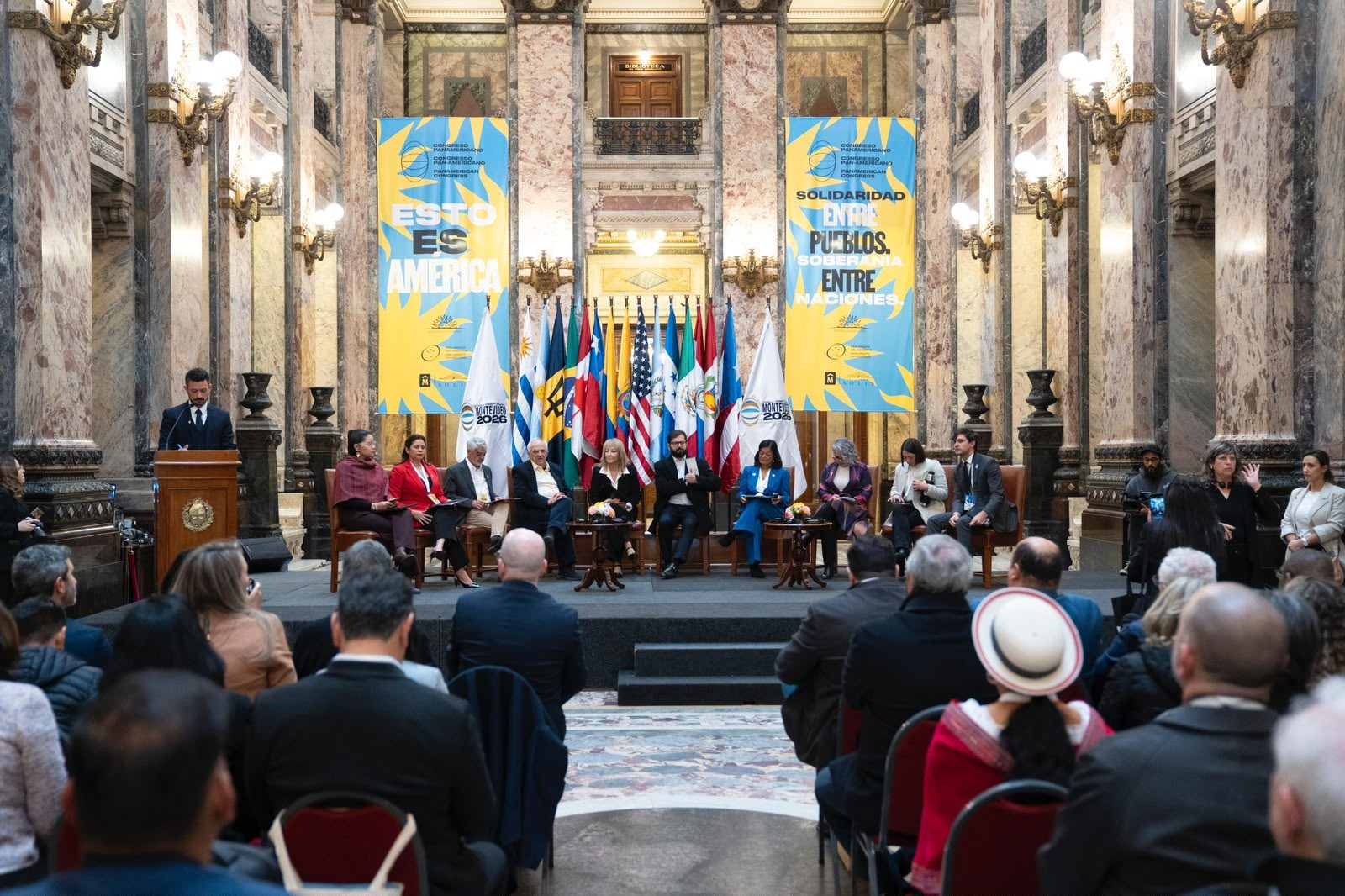
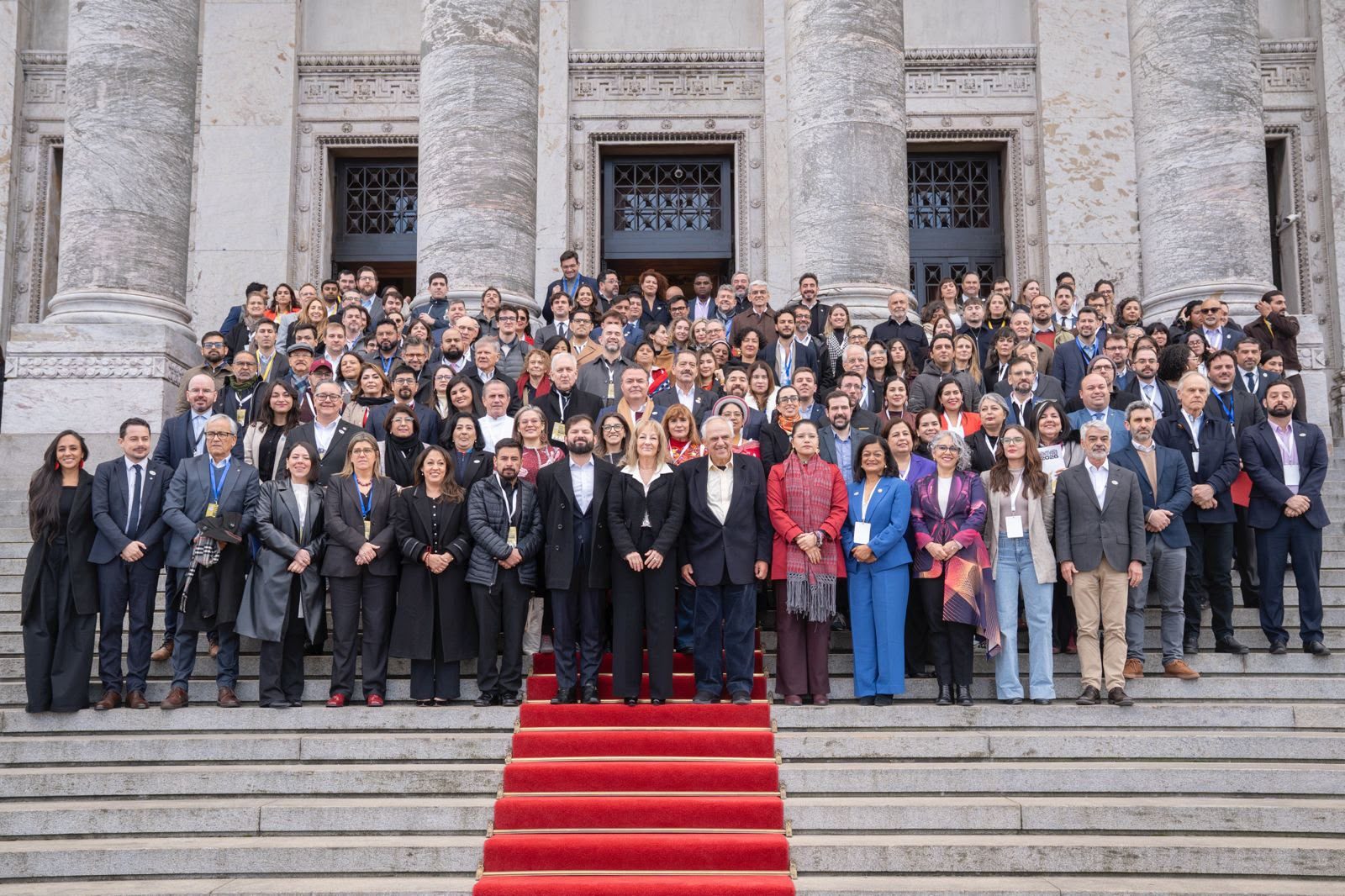
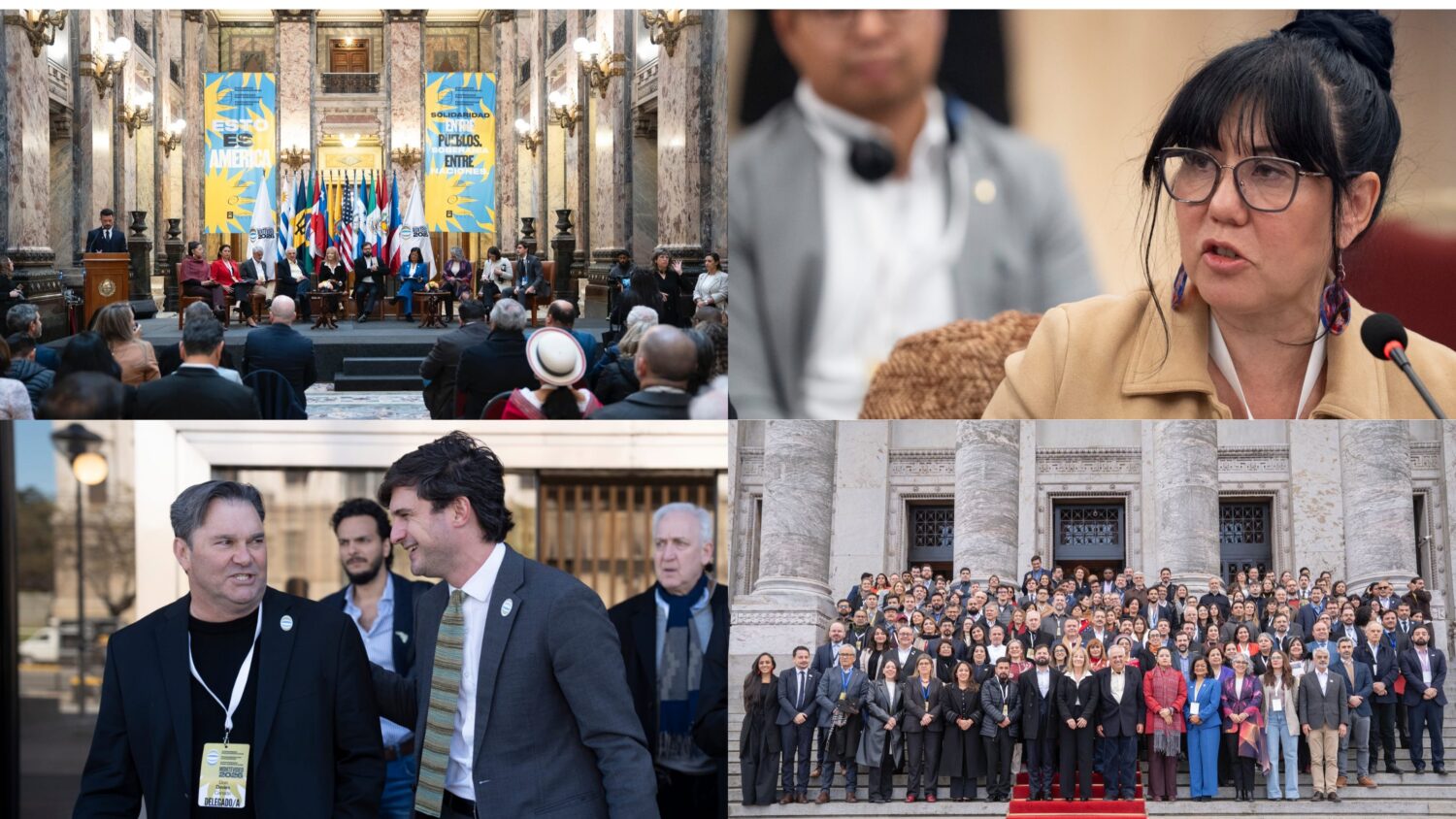
MONTEVIDEO, Uruguay, August 25, 2026 – The third edition of the Panamerican Congress opened Friday, August 21 before more than 250 participants gathered at Uruguay’s Legislative Palace. Uruguayan Vice President Carolina Cosse formally opened the Congress in the Hall of the Lost Steps – el Salón de los Pasos Perdidos – before an audience of more than 250 lawmakers, government officials and political leaders from 15 countries and territories across the Americas: Uruguay, Canada, the United States, Puerto Rico, Mexico, Guatemala, Honduras, Ecuador, Colombia, Peru, Chile, Argentina, Barbados, Brazil and Paraguay.
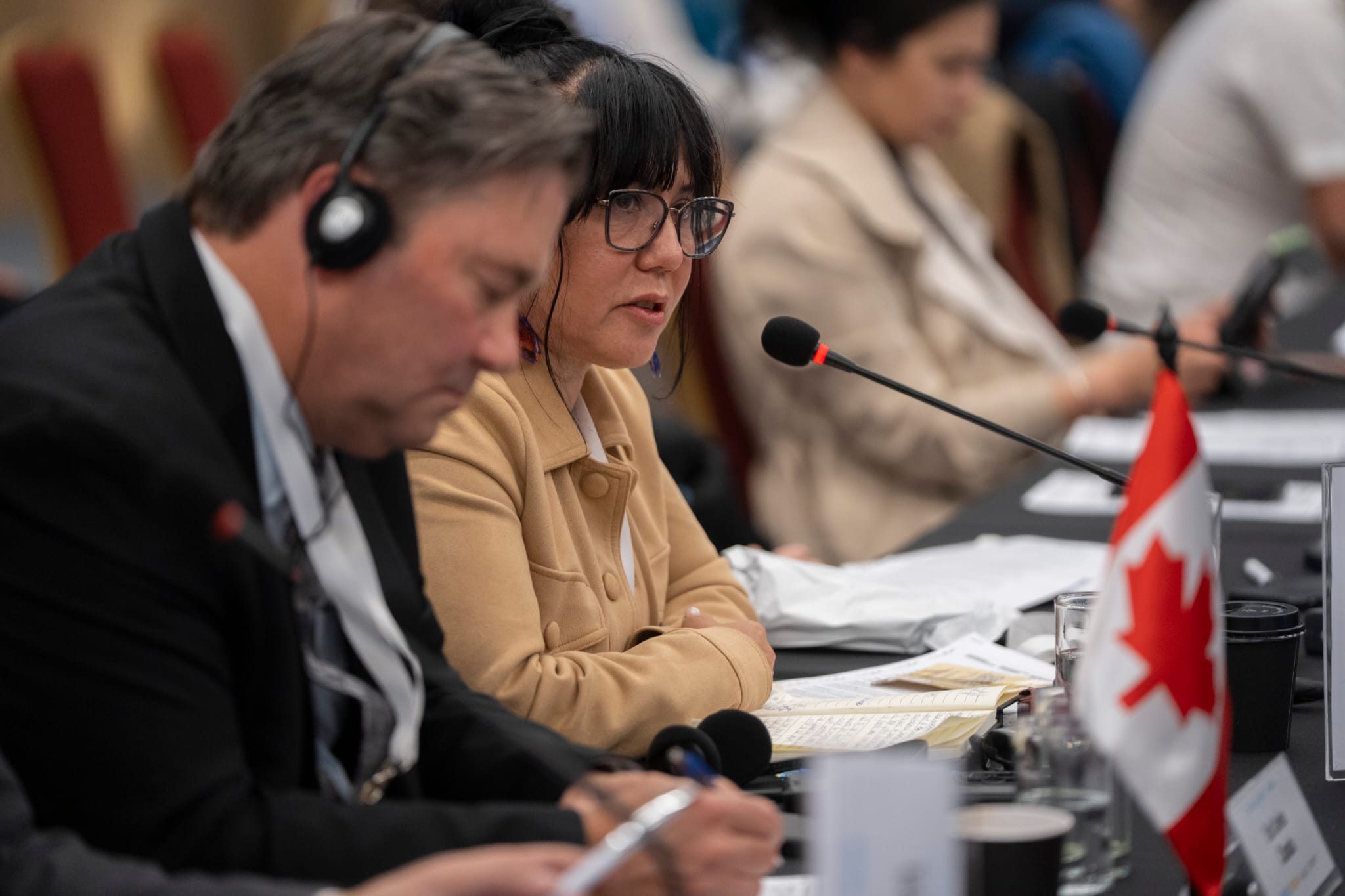
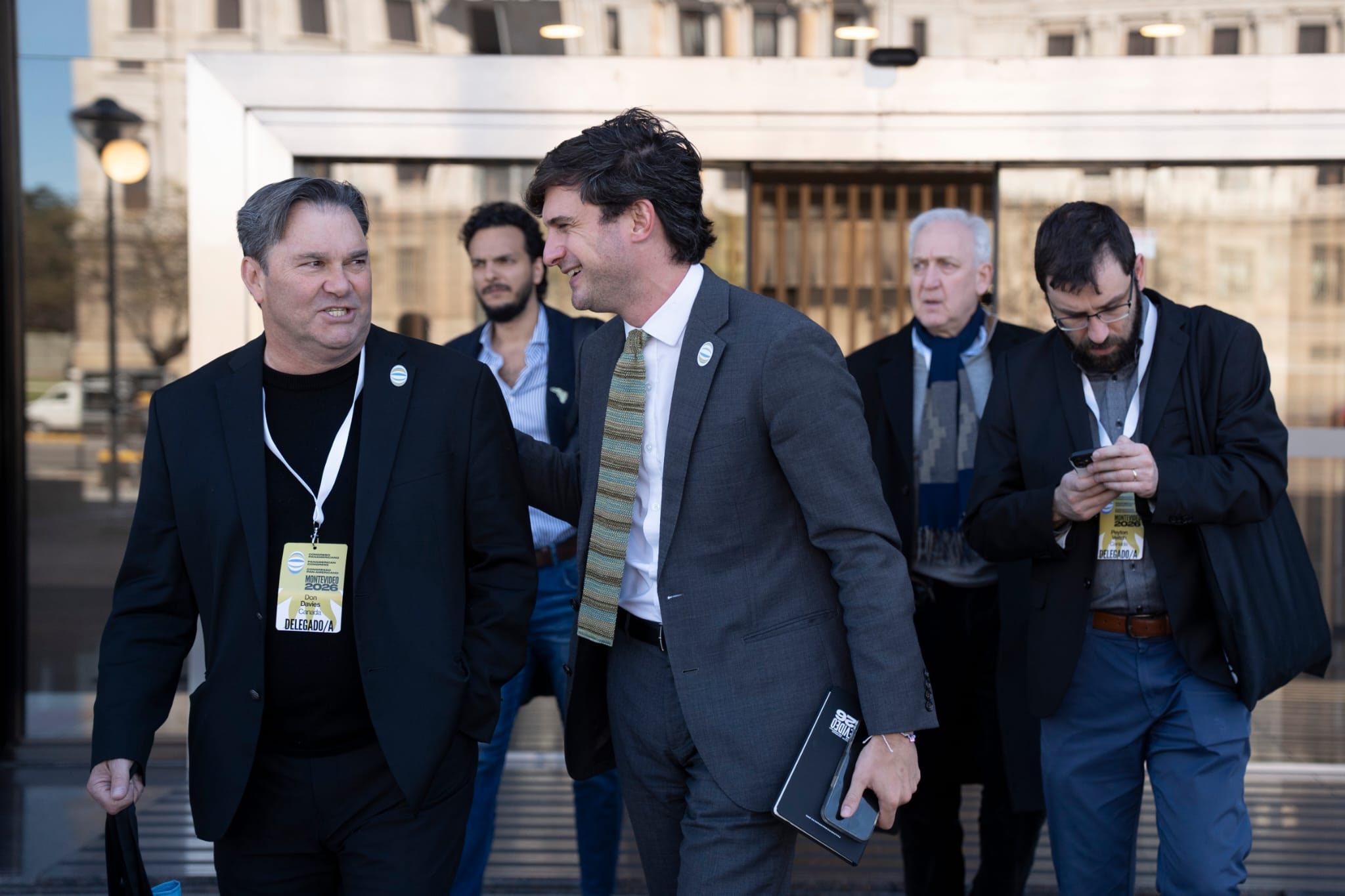
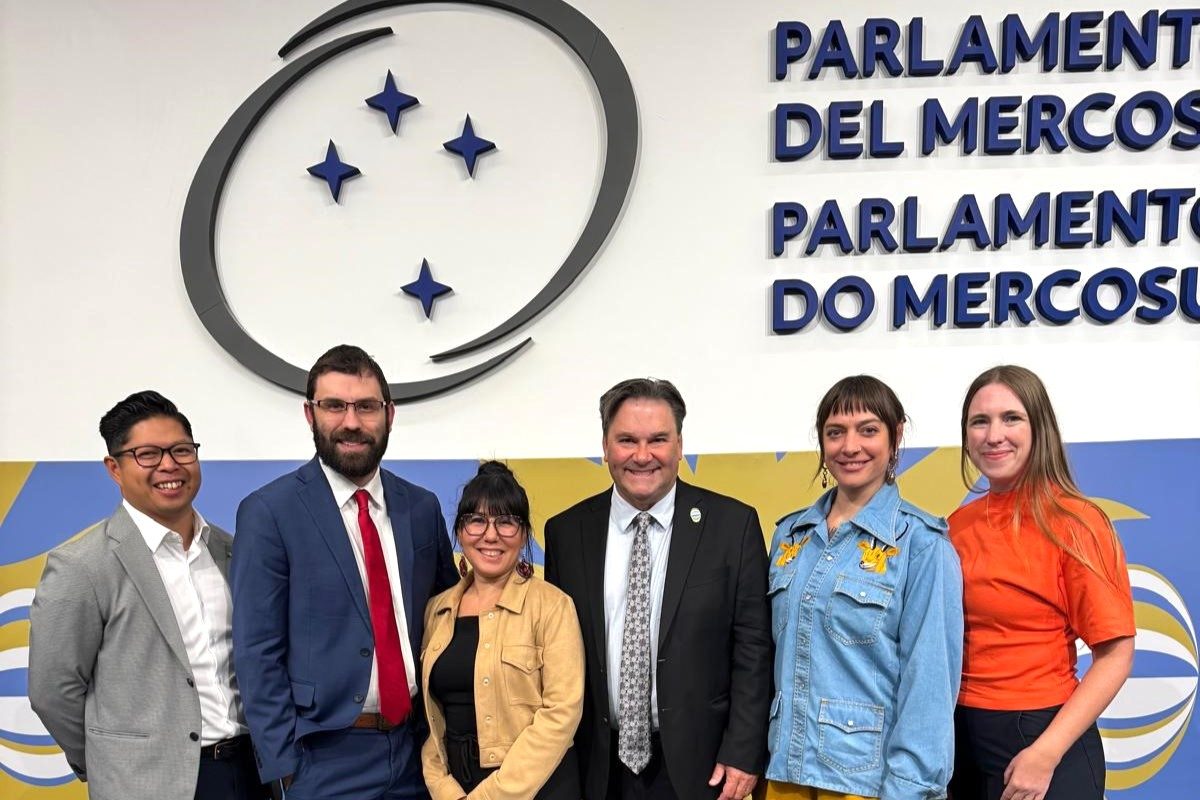
The Panamerican Congress is the only permanent parliamentary forum where democratic and progressive forces from across the hemisphere come together to develop common positions on the shared challenges facing their people. The Canadian delegation to the 2026 Congress included Broadbent Institute Executive Director Jen Hassum, Director of Policy and Engagement Clement Nocos, MP Don Davies (Vancouver Kingsway), MP Leah Gazan (Winnipeg Centre), Chief of Staff to the Leader of the New Democratic Party of Canada Savhanna Wilson, and NDP Principal Secretary Peyton Veitch.
Vice President Cosse of Uruguay, who also serves as president of the country’s General Assembly, opened the proceedings.
We are truly delighted that an event of such importance for Uruguay and all of the Americas is taking place here,” Cosse said. “For us, for a deeply humanist left, force is never the key to resolving conflicts. We reject force as a means of resolving conflict, and we reject all forms of violence as a way to address a problem.
A right-wing wave is sweeping across the Americas, from north to south and east to west. In the face of that, we on the left cannot retreat. What matters most is politics, not politicians. Profound transformations only happen through collective, cumulative processes. It is a long road ahead.
Former Chilean President Gabriel Boric also participated in the opening ceremony. He honored the legacy of former Uruguayan president José “Pepe” Mujica and highlighted his lessons on coherence, reflection and the transformative power of politics.
We learned coherence. Coherence between our words and our actions, which is fundamental in politics if we are to stand before the people of whom we are a part and whom we hope to represent, because what we are doing here is reclaiming politics as a tool for social transformation,” Boric said.
Pepe also taught us to question. And to question, we must be willing to learn. I believe one of the beautiful things about this Congress is that, by bringing together so many different experiences, we can learn from one another and from our successes. We have so much to learn, and that is why I want to invite you, during this Congress, to think outside the box, move beyond slogans and ask the questions that will shape our future.”
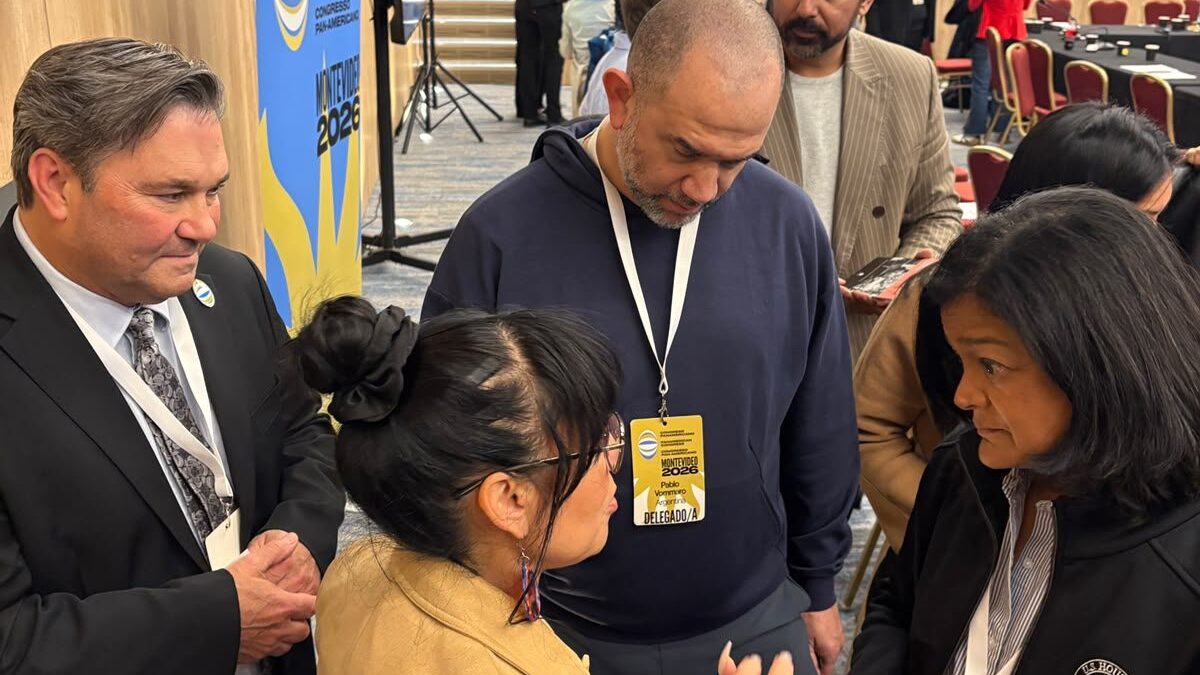
U.S. Representative Pramila Jayapal (WA-07), a Member of the House Foreign Affairs Committee, added:
The far-right is coordinating across nations, and so must we. Not only must we share effective strategies of opposition, but also our solutions of proposition: a shared vision that lifts up and puts power back in the hands of the people. A real partnership between our nations of collaboration and cooperation to solve the global challenges of climate change, labor rights, public health, migration, and economic prosperity for all. An understanding that military might, dominance and aggression are tools of the oppressor, but diplomacy and respectful multi-and bi-lateral relationships are the only tools to bring about lasting peace.
David Adler, general coordinator of the Panamerican Congress, closed the opening ceremony by reflecting on the gathering’s historical roots and present-day mission.
Two hundred years ago, a handful of young republics dared to dream of something never before seen in this hemisphere at the Congress of Panama: that nations from across the Americas could speak to one another on equal terms as fraternal states. Two hundred years later, here we are. Different flags, one shared horizon. Although today’s dangers bear different names, including inequality, climate change and new technologies that threaten to concentrate power in the hands of a few, the question remains the same: What is America? We propose an answer: This is America. America is solidarity among peoples and sovereignty among nations. On behalf of the organizing team, may these days here in Montevideo be the seeds of a new era of hemispheric cooperation.
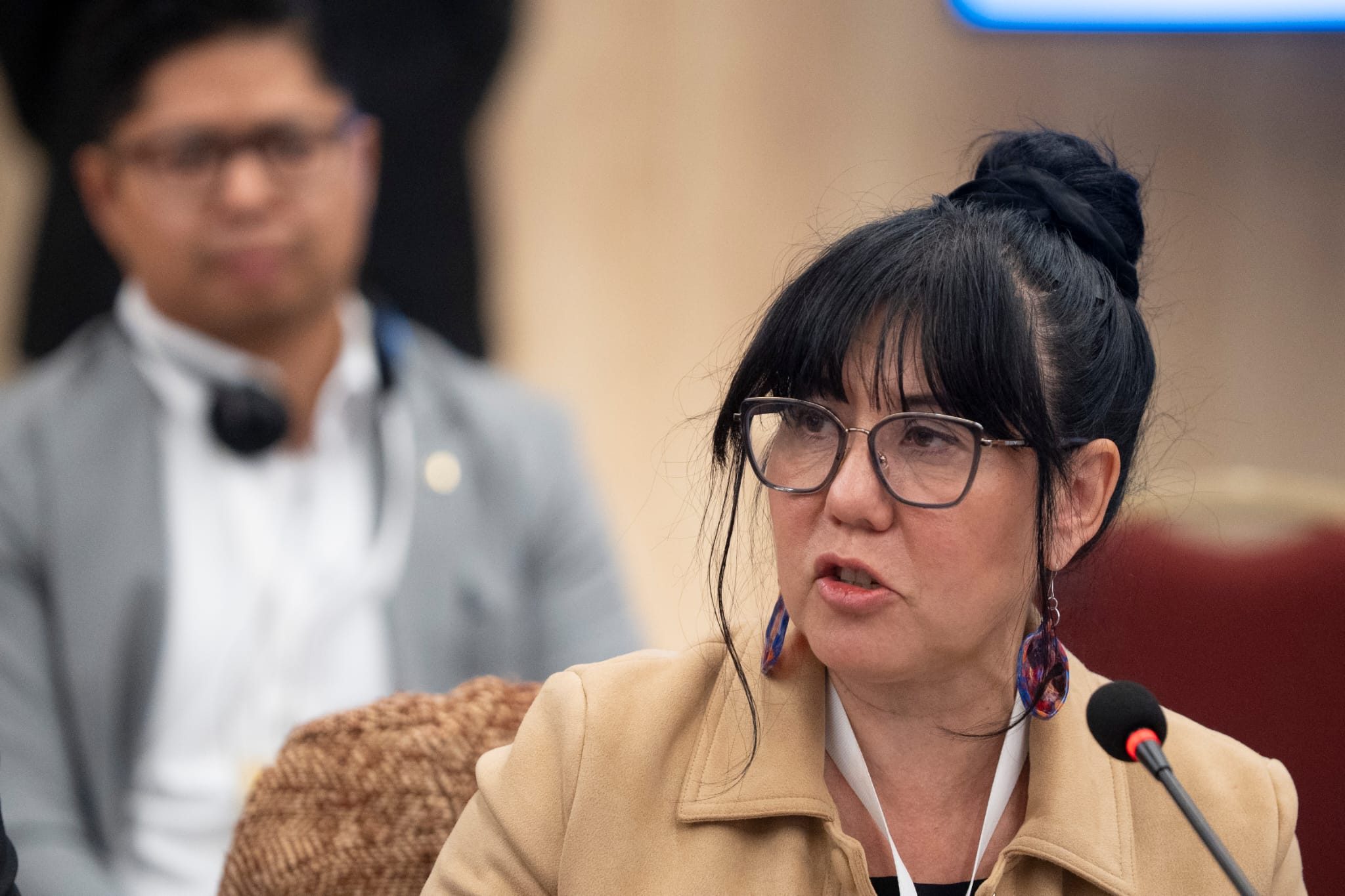
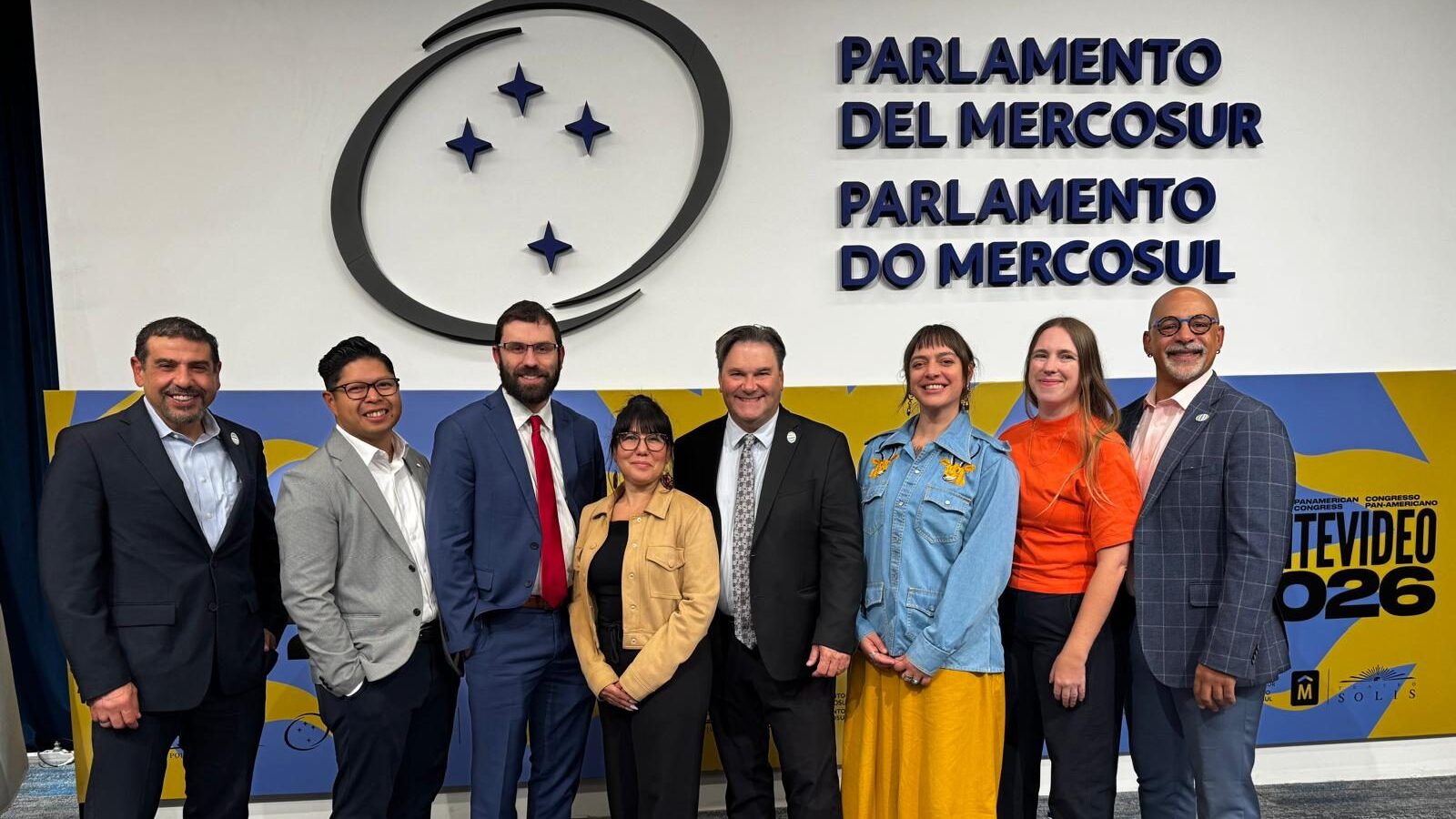
Canadian MP Leah Gazan (Winnipeg Centre) shared remarks during the closing session of the 2026 Panamerican Congress:
We’re facing existential threats from a number of directions. We see the rapid rise of fascism, expanding global corporate dictatorship, an attack on gender equality and reproductive rights, a climate emergency, rooted in capitalism that is causing mass destruction, the increased violence against indigenous peoples as we rush to industrialize in our states. In response to threats from Trump, violating our obligations as signatories to the United Nations Declaration on the Rights of Indigenous Peoples. And as my good friend and indigenous sister from Ecuador, Mariana (Yumbay, Member of National Assembly, Bolívar), said, ‘If we are going to defeat capitalism, we have to rid ourselves of the root, and that is the colonization of the Americas.’
We see a growing number of conflicts powered by an increased support of the military industrial strategies at the expense of social programs that protect the dignity of people in our planet. But as we see in the Congress, at this Congress, we have an opportunity to respond to the threats and use these threats as anchors to build movements rooted in solidarity and human rights. Of all peoples and our planet, and I want to say on behalf of the Canadian delegation, we are proud to be part of progressive movements in Canada, and look forward to be part of and working with peoples, institutions, states, and Indigenous Peoples of the Americas to build a better world for all.
Three Days of Dialogues and Work
The Third Panamerican Congress took place from Friday, Aug. 21, through Sunday, Aug. 23. The opening day began with a press conference and an opening ceremony at Uruguay’s Legislative Palace led by Uruguayan Vice President Carolina Cosse. The gatherings’ first closed-door working session started right after.
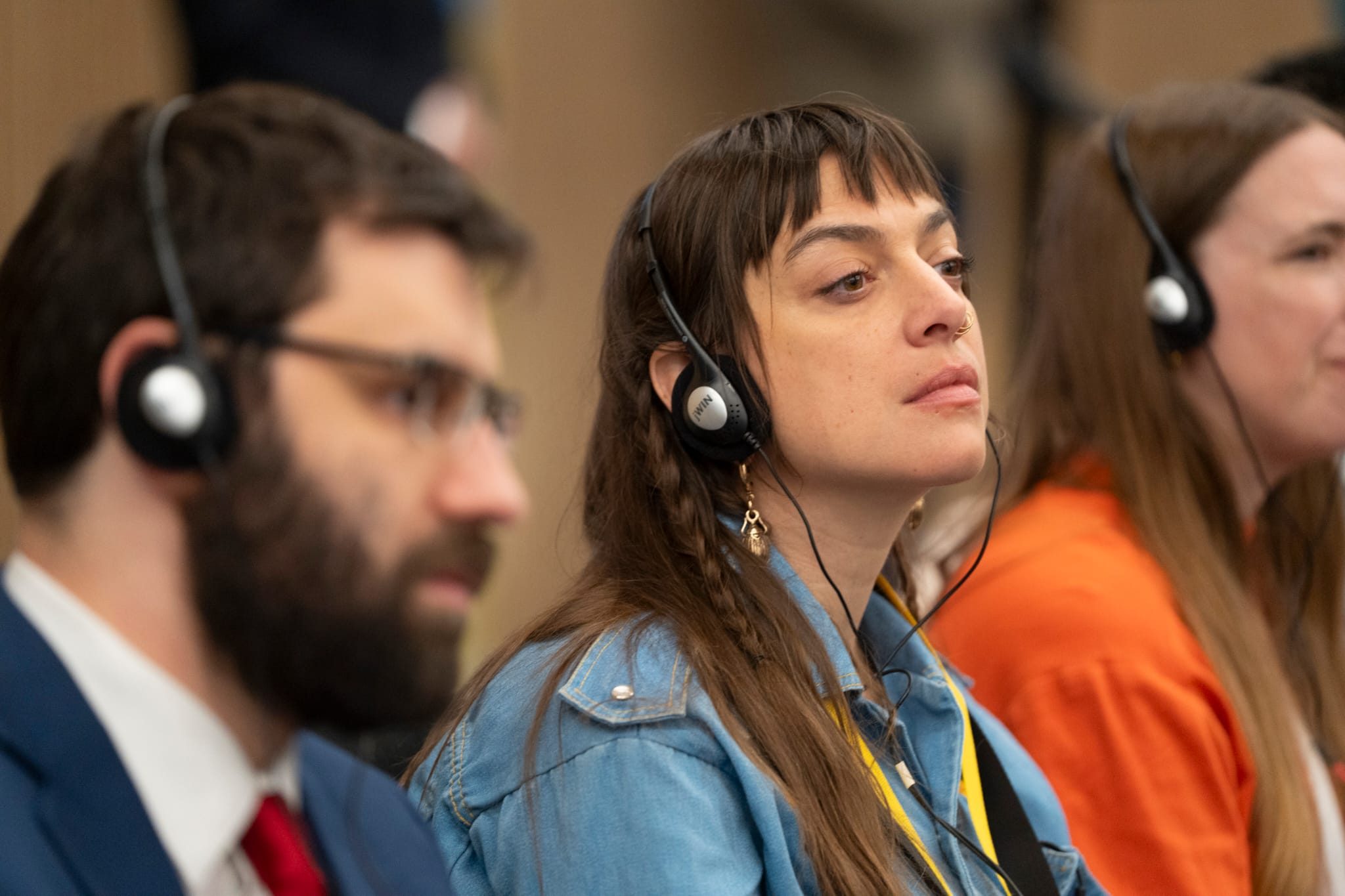
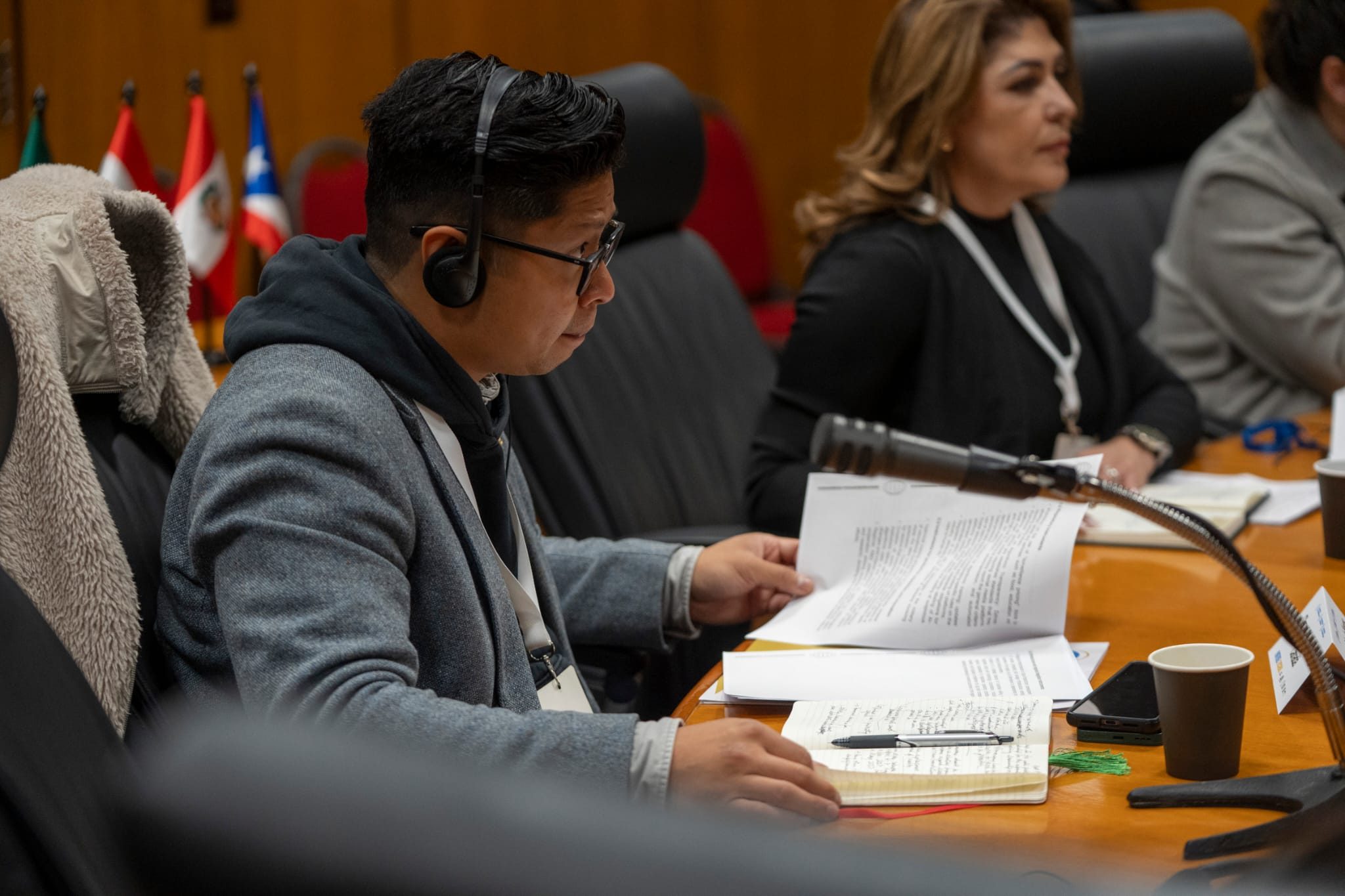
Over several days, Montevideo hosted deliberations organized around four areas: peace, security and multilateralism; sustainable development and regional integration; digital sovereignty and artificial intelligence; and well-being and care for the majority. Roundtable discussions on Artificial Intelligence and Digital Sovereignty took place, informed by the Broadbent Institute’s pre-Congress workshop held in Toronto, Canada on July 9.
That afternoon, a public event entitled “This Is America” brought together more than 600 people to the historic Teatro Solís. Former Chilean President Gabriel Boric, former Colombian President Gustavo Petro, U.S. Sen. Bernie Sanders, Buenos Aires Governor Axel Kicillof, former Uruguayan Vice President Lucía Topolansky, former Chilean presidential candidate Jeannette Jara and former Chilean government spokesperson Camila Vallejo were among the progressive leaders from across the Americas who shared their visions for the region’s future.
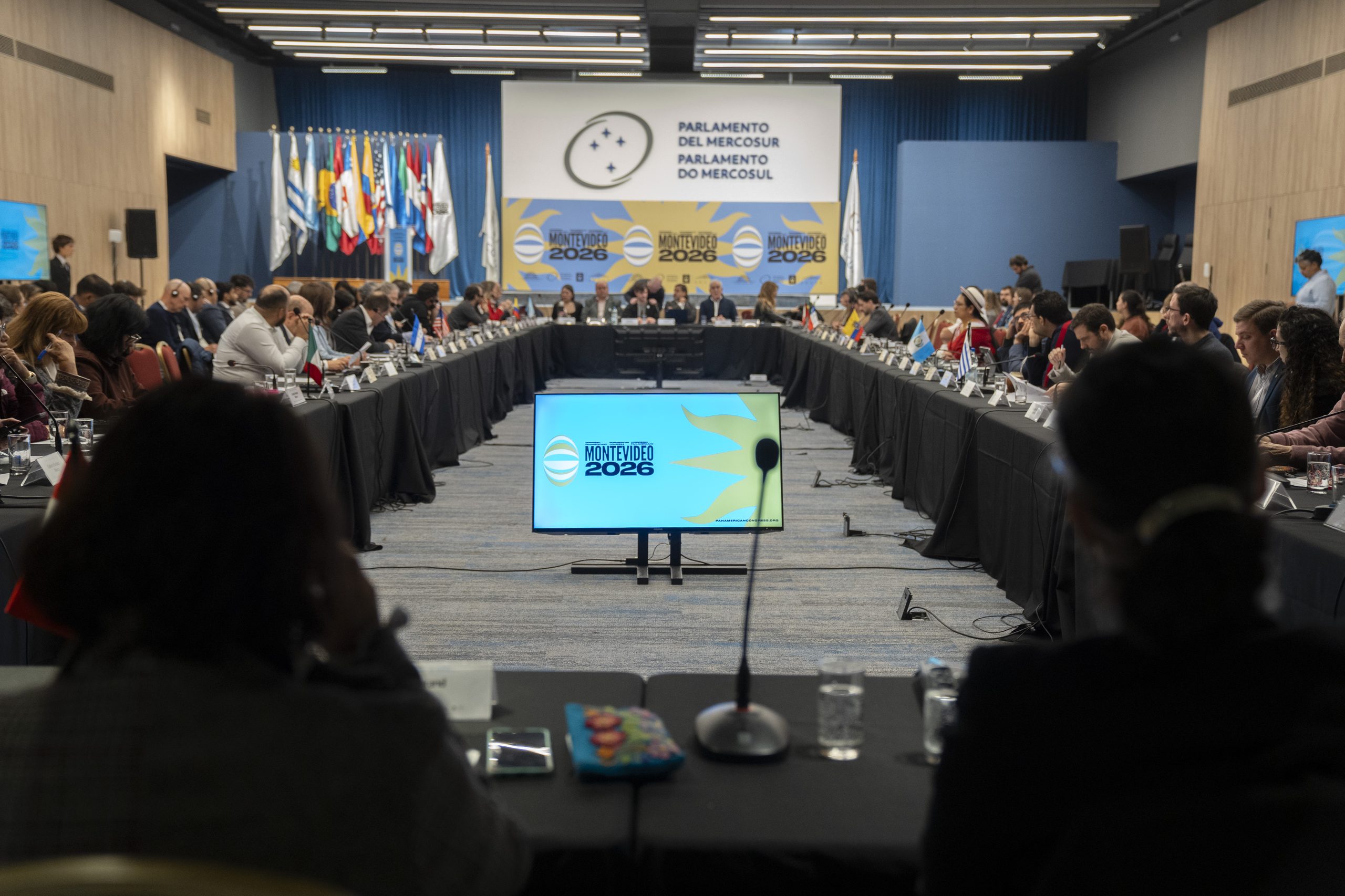
On Saturday, Aug 22., delegations continued with additional closed-door working sessions and workshops on emerging issues, including the defense of democracy, the new global economy and cybersecurity. A closing plenary was held at the Mercosur Parliament in Montevideo on Sunday, Aug. 23.
The 2027 Panamerican Congress is slated to take place in Brazil with several pre-convenings and workshops throughout the year ahead of the next Congress.
-30-
Montevideo Declaration
Media Contact
Juan Pachon
U.S. Communications coordinator, Panamerican Congress
juan.pachon@panamericancongress.org
WhatsApp +1 727-743-3631
Media Photos